The Materials Powering the AI Infrastructure Boom

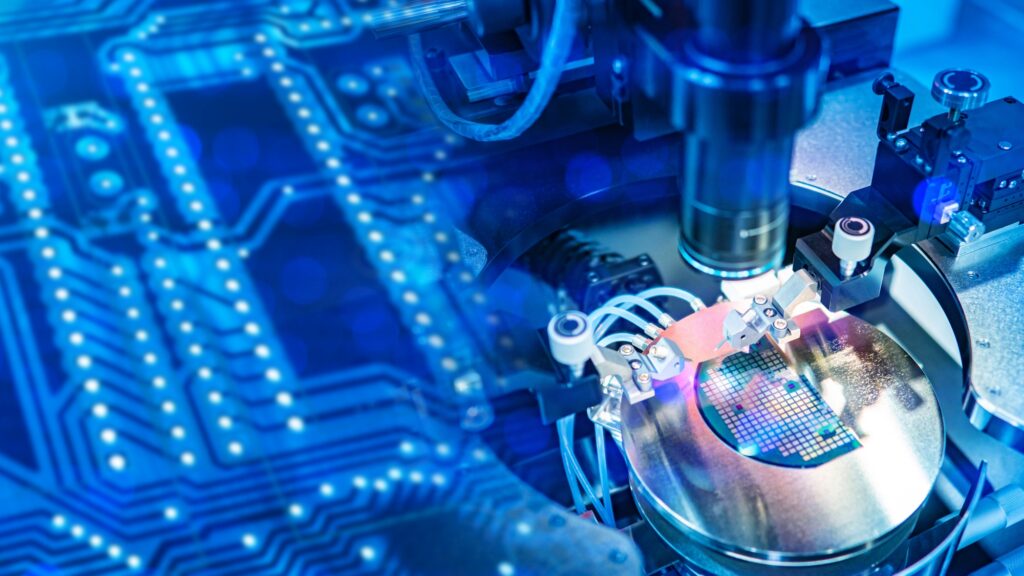
Artificial intelligence is often discussed in terms of algorithms, software models, and computational breakthroughs. Yet the rapid expansion of AI infrastructure is also creating new demand across the global materials supply chain. Behind every AI data center and high performance computing cluster is a complex network of semiconductor materials, specialty metals, advanced ceramics, and thermal management systems.
As companies race to deploy large language models, machine learning platforms, and advanced data processing capabilities, the physical infrastructure required to support these technologies is expanding at unprecedented speed. Semiconductor fabrication plants, high density data centers, and specialized computing hardware all depend on a range of high purity materials and industrial inputs.
In this sense, the AI boom is not only a software revolution. It is also a materials story.
Semiconductor Materials at the Core of AI
At the center of the AI infrastructure ecosystem is the semiconductor industry. Graphics processing units (GPUs), AI accelerators, and high performance CPUs rely on increasingly sophisticated chip architectures that require highly controlled manufacturing environments and specialized materials.
Silicon remains the foundational substrate for most semiconductor devices, but chip fabrication relies on many additional materials including specialty gases, photoresists, metal oxides, and high purity metals used in thin film deposition and interconnect structures. Materials such as tungsten, tantalum, cobalt, and copper are used in conductive pathways that allow billions of transistors to communicate within modern integrated circuits¹.
Semiconductor manufacturing equipment also incorporates advanced ceramics, high purity alumina components, and specialty glass systems designed to withstand extreme temperatures and corrosive chemical environments. Boron compounds and borosilicate glass play important roles in certain high temperature and specialty glass applications used throughout the electronics supply chain.
As AI workloads grow, semiconductor manufacturers are investing heavily in new fabrication capacity to support demand for advanced chips. Industry projections suggest that global semiconductor revenue could approach or exceed one trillion dollars annually in the coming decade as demand from AI, electric vehicles, and advanced electronics continues to expand².
These developments are increasing demand not only for chips themselves but also for the industrial materials that enable semiconductor production.
Thermal Management and Advanced Cooling Systems
Another major challenge emerging from AI infrastructure growth is heat management. Training and operating large AI models requires enormous computational power. This computing density generates significant heat inside servers and data center facilities.
High performance computing clusters used for AI training can consume tens of megawatts of electricity. A large portion of this energy ultimately converts to heat that must be removed in order to maintain system stability and hardware reliability³.
To address this challenge, many data center operators are deploying advanced cooling systems that rely on specialized materials designed for efficient heat transfer. Liquid cooling technologies, immersion cooling systems, and high performance heat exchangers are becoming increasingly common in facilities built specifically for AI workloads.
These systems rely on materials such as copper alloys, aluminum components, advanced ceramics, engineered polymers, and specialized thermal interface materials that improve heat transfer efficiency. In some cases, dielectric cooling fluids are used to directly remove heat from electronic components.
As computing density continues to increase, thermal management materials will play an increasingly important role in determining the energy efficiency and reliability of large scale AI infrastructure.
Specialty Metals and Electronic Materials
Beyond semiconductor fabrication, AI infrastructure also depends on a range of specialty metals and electronic materials used throughout computing hardware and supporting systems.
Rare earth elements such as neodymium and dysprosium are used in high performance magnets that support motors, cooling systems, and precision mechanical components found in advanced computing equipment⁴. Gallium, indium, and germanium are used in compound semiconductors and specialized electronic materials that enable high speed data processing and communication technologies.
Many of these metals originate from geographically concentrated supply chains. For example, rare earth production remains heavily concentrated in a small number of regions globally. This concentration can introduce potential supply risks for industries that rely on consistent access to high purity materials.
As demand for AI hardware grows, companies operating across the electronics and computing sectors are increasingly evaluating how material sourcing strategies may affect long term manufacturing stability.
Data Center Infrastructure and Industrial Materials
The rapid expansion of AI capabilities is also driving a wave of global data center construction. Technology companies are investing billions of dollars in new facilities designed specifically to support high density AI computing environments.
Building and operating these facilities requires a wide range of industrial materials. Copper remains essential for electrical conductivity and power delivery systems throughout data center infrastructure. Structural steel and specialty alloys support building frameworks and mechanical systems. Advanced filtration materials and water treatment technologies are also becoming increasingly important in facilities that rely on liquid cooling or water based heat exchange systems⁵.
In addition, many data centers require sophisticated environmental control systems that incorporate filtration media, specialty coatings, and engineered materials designed to maintain clean operating environments for sensitive electronic equipment.
These infrastructure demands illustrate how the growth of AI computing extends well beyond semiconductor manufacturing and into broader industrial supply chains.
Materials as the Foundation of AI Infrastructure
Artificial intelligence is reshaping industries ranging from healthcare and finance to manufacturing and logistics. Yet beneath the software innovation and algorithmic breakthroughs lies a complex network of materials that make modern computing possible.
Semiconductor fabrication inputs, advanced cooling technologies, specialty metals, and industrial infrastructure materials all play critical roles in enabling the next generation of computing systems. As AI infrastructure continues to scale, demand for these materials will grow alongside it.
For manufacturers, technology companies, and industrial suppliers, understanding the materials that support AI infrastructure is becoming an increasingly important part of long term strategic planning. Reliable sourcing, high purity standards, and resilient supply chains will all play an important role in supporting the continued expansion of AI driven technologies.
In many ways, the future of artificial intelligence will depend not only on advances in software and computing architecture, but also on the materials that make those systems possible.
References
- International Roadmap for Devices and Systems (IRDS). Semiconductor device and materials roadmap.
https://irds.ieee.org/ - Semiconductor Industry Association. Global semiconductor industry outlook.
https://www.semiconductors.org/strengthening-the-global-semiconductor-supply-chain/ - International Energy Agency. Data centres and data transmission networks. https://www.iea.org/energy-system/buildings/data-centres-and-data-transmission-networks
- U.S. Geological Survey. Rare Earth Elements Statistics and Information.
https://www.usgs.gov/centers/national-minerals-information-center/rare-earths-statistics-and-information - Lawrence Berkeley National Laboratory. Data Center Energy and Efficiency Research.
https://datacenters.lbl.gov/
Related Posts:
Dec 11th, 2025
Zinc Dust as Frontier Technology in Denim Finishing: Rethinking Reactive Metal Particulates for Next-Generation Performance Fabrics
Read More Zinc Dust as Frontier Technology in Denim Finishing: Rethinking Reactive Metal Particulates for Next-Generation Performance Fabrics
Apr 10th, 2026
Managing Single-Source Risk in Critical Materials
Read More Managing Single-Source Risk in Critical Materials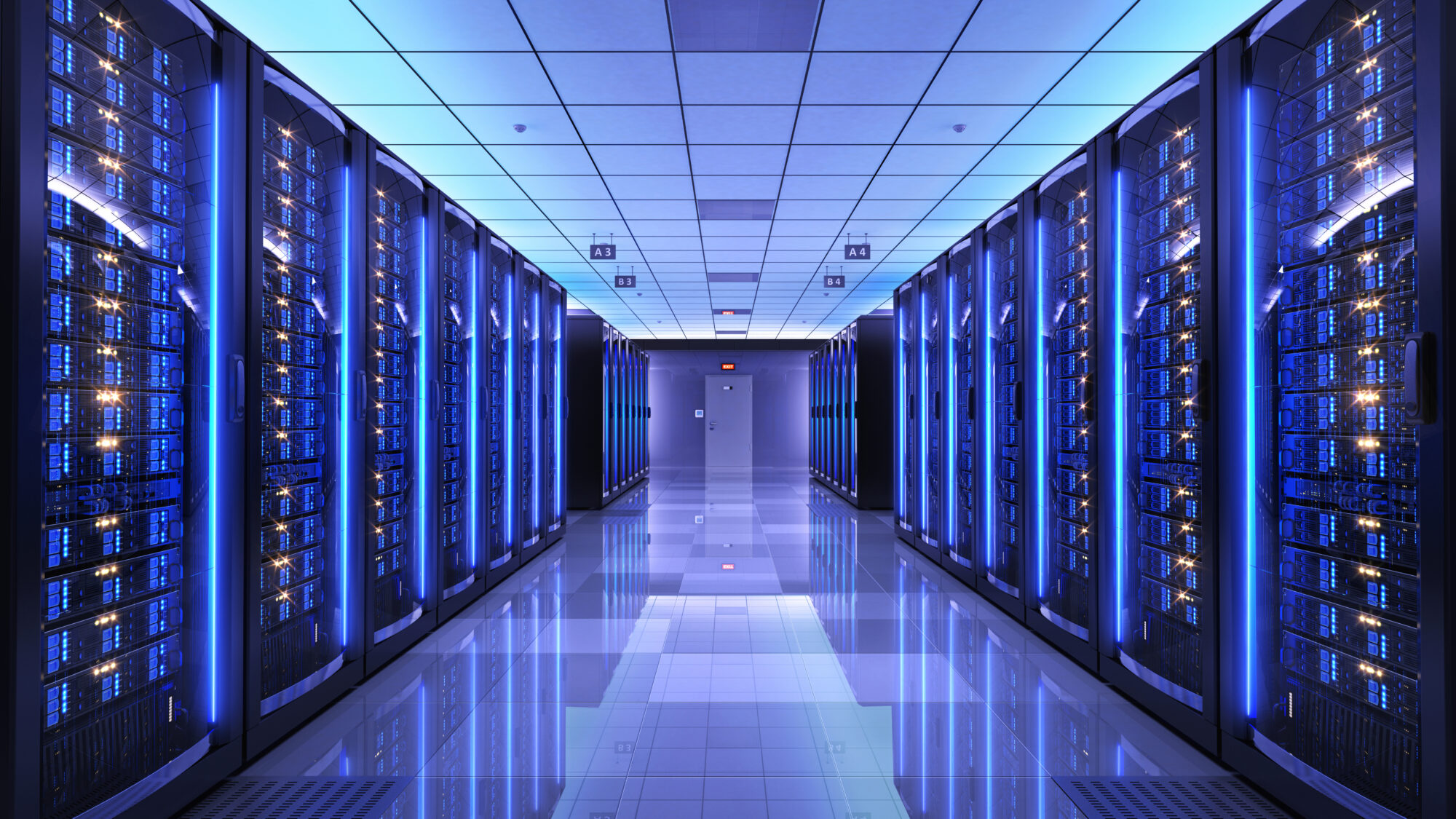
Oct 9th, 2025
Materials Driving the AI & Semiconductor Boom
Read More Materials Driving the AI & Semiconductor Boom