Managing Single-Source Risk in Critical Materials

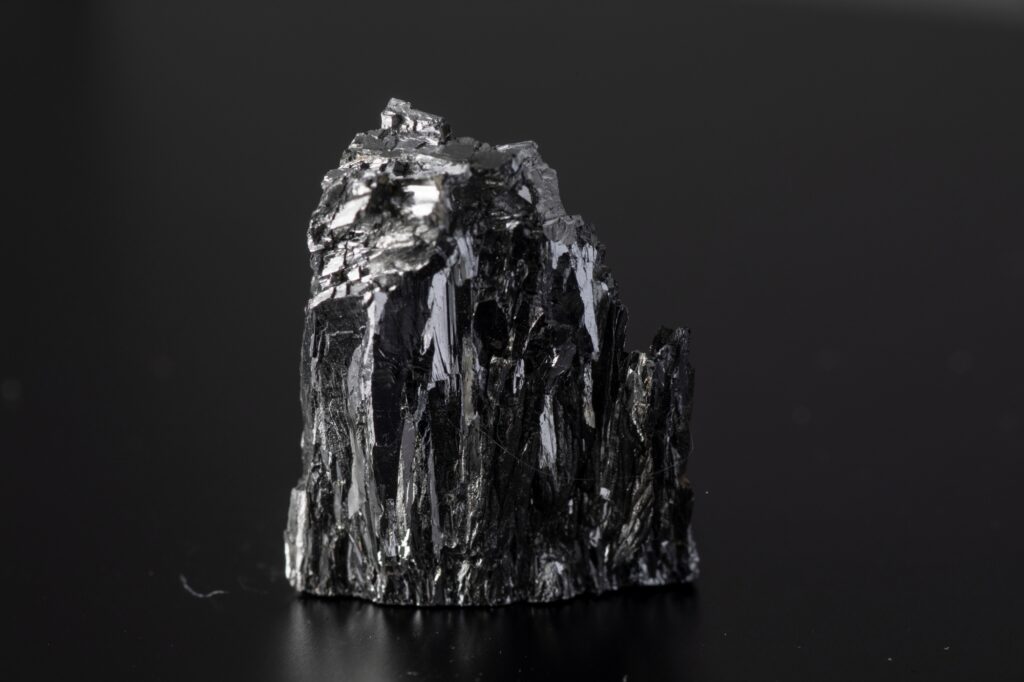
Global manufacturing increasingly depends on specialized materials that are produced by a limited number of suppliers. In some cases, production is concentrated among only a handful of companies. In others, entire supply chains depend on resources extracted and processed primarily within one country.
These dynamics create a significant challenge for procurement teams. While many manufacturers focus heavily on cost efficiency and production performance, single-source dependencies can quietly introduce operational risk into supply chains.
Rare earth elements provide one of the clearest examples of this issue. These materials are essential to modern technologies ranging from renewable energy systems to advanced electronics. Yet the global production and processing of rare earth materials remains highly concentrated, making supply chain resilience an increasingly important concern for manufacturers.
Rare Earth Magnets and Critical Technology Supply Chains
Rare earth elements are a group of seventeen metals used in a wide range of high-performance materials. Among the most important applications are rare earth permanent magnets, particularly neodymium-iron-boron (NdFeB) magnets.
These magnets are valued for their exceptional magnetic strength relative to their size and weight. As a result, they are widely used in technologies that require compact and efficient energy conversion.
Common applications include:
- electric vehicle motors
- wind turbine generators
- robotics and automation systems
- advanced electronics and computing hardware
- aerospace systems
Neodymium and praseodymium are commonly used in the core magnet composition, while dysprosium and terbium may be added to improve performance at high temperatures.
Because these materials enable critical performance characteristics in many advanced technologies, demand for rare earth magnets has grown steadily alongside the expansion of renewable energy, electrified transportation, and advanced manufacturing.
However, the supply chain that supports these materials remains concentrated in a small number of regions.
Concentration in Rare Earth Supply Chains
Although rare earth elements are relatively abundant in the Earth’s crust, economically viable deposits and processing capacity are much more limited. Mining is only the first stage of the supply chain. Refining and separation processes required to produce high-purity rare earth oxides and metals are technically complex and capital intensive.
For many years, a large portion of the world’s rare earth mining and processing capacity has been located in China. According to data from the U.S. Geological Survey, China accounts for a significant share of global rare earth production and an even larger share of downstream processing capacity¹.
This concentration means that disruptions in mining, export policies, environmental regulations, or geopolitical conditions can have ripple effects across global manufacturing industries.
For companies that rely on rare earth materials in magnets, catalysts, polishing compounds, or electronic components, these supply dynamics highlight the importance of proactive sourcing strategies
Understanding Single-Source Risk
Single-source risk occurs when a material, component, or chemical input is available from only one supplier or from a very small number of producers. In such situations, manufacturers may face limited alternatives if supply disruptions occur.
In the case of rare earth materials, risk can arise from several factors:
- geographic concentration of mining and refining
- limited global processing infrastructure
- long development timelines for new mining projects
- regulatory or geopolitical constraints affecting exports
These risks may not immediately affect day-to-day procurement operations. However, when disruptions occur, the consequences can include price volatility, supply shortages, or production delays.
For manufacturers operating in sectors such as electronics, automotive manufacturing, aerospace, or renewable energy, these disruptions can affect entire production schedules.
Risk Assessment for Procurement Teams
Managing single-source risk begins with visibility. Procurement and supply chain teams must understand where critical materials originate and how many viable suppliers exist for each input.
A structured risk assessment framework typically includes:
Supplier concentration analysis: Understanding whether materials come from multiple global suppliers or from a limited group of producers.
Geographic supply mapping: Identifying the countries where mining, processing, and manufacturing stages occur.
Material criticality assessment:Determining how essential a material is to product performance and whether substitutes exist.
Lead time and logistics evaluation: Assessing how quickly alternative suppliers could be activated if disruptions occur.
For materials such as rare earth elements, this type of analysis helps procurement teams identify potential vulnerabilities before they affect production.
Supplier Diversification Strategies
One of the most effective ways to mitigate single-source risk is through supplier diversification. Rather than relying on a single producer, manufacturers can build sourcing strategies that include multiple qualified supply channels across different regions.
This is a core part of Reade’s approach to specialty materials sourcing. For more than a century, Reade has developed relationships with producers around the world, allowing clients to access diversified supply networks for materials that may otherwise be difficult to source.
In markets such as rare earth elements and specialty chemicals, manufacturers often do not have the time or resources to build direct relationships with multiple global suppliers. By working with a specialty materials distributor that maintains these relationships, procurement teams can access a broader supplier base while reducing the operational complexity of managing multiple sourcing channels.
Reade helps clients manage this complexity by:
- maintaining relationships with multiple global producers of specialty materials
- identifying alternative supply channels when markets tighten
- helping clients evaluate sourcing options across regions
- supporting long-term supply planning for critical materials
Diversification does not eliminate supply risk entirely, but it significantly improves resilience when disruptions occur. In markets such as rare earth materials, where mining and processing capacity are geographically concentrated, access to diversified sourcing networks can be a critical factor in maintaining production continuity.
Building More Resilient Material Supply Chains
As global manufacturing becomes increasingly dependent on specialized materials, supply chain resilience is becoming a central focus for procurement and operations teams.
Rare earth elements illustrate how strategic materials can introduce vulnerabilities when production and processing are concentrated among a small number of suppliers. While these materials enable critical technologies across energy, transportation, and electronics sectors, their supply chains require careful management.
By improving supply visibility, diversifying supplier networks, and incorporating risk planning into procurement strategies, manufacturers can reduce exposure to disruptions while maintaining reliable access to the materials that support modern production.
Through its global supplier relationships and long-standing expertise in specialty materials sourcing, Reade helps manufacturers navigate complex materials markets and maintain reliable access to critical inputs.
References
- U.S. Geological Survey. Rare Earths Statistics and Information. https://www.usgs.gov/centers/national-minerals-information-center/rare-earths-statistics-and-information
Related Posts:

May 3rd, 2023
Choosing Sustainable Raw Materials for a Greener Future
Read More Choosing Sustainable Raw Materials for a Greener Future
Jun 22nd, 2025
The Lithium Bottleneck: How Supply Constraints Are Reshaping Energy Storage
Read More The Lithium Bottleneck: How Supply Constraints Are Reshaping Energy Storage